In New York City, a cornice is more than a decorative edge at the roofline. On brownstones, pre-war walk-ups, mixed-use buildings, and historic facades, it plays both an architectural and protective role. It directs water away from the masonry below and visually defines the top of the structure.
Over time, however, many NYC property owners face the same question: should the cornice be repaired, or does it require full replacement? The answer is rarely cosmetic. It involves structural condition, public safety, and compliance considerations that are especially important in a dense urban environment where components project directly over sidewalks.
This guide will help you understand the difference between repair and replacement, and how to approach the decision logically, safely, and with long-term building performance in mind.
At a Glance
- Repair is suitable when damage is minor and the structure remains stable.
- Replacement is necessary if anchors or internal framing are compromised.
- Repeated patching often indicates deeper structural deterioration.
- Visible movement or separation increases safety risk significantly.
- NYC safety compliance may require replacement in hazardous cases.
- Long-term durability typically favors replacement in aging buildings.
What Is a Cornice?
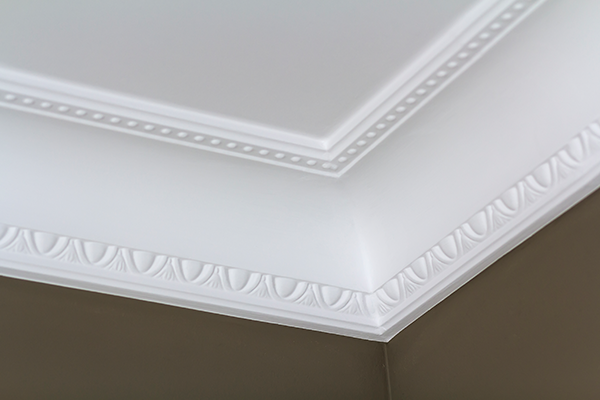
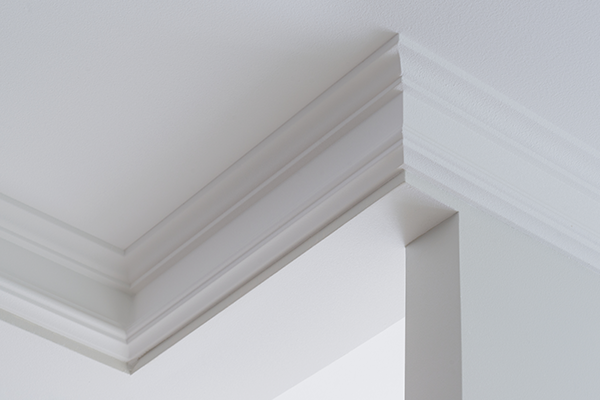
A cornice is the projecting horizontal element located at the top edge of a building, typically where the facade meets the roofline. In many NYC properties, especially pre-war and historic structures, cornices are built from masonry, terra cotta, sheet metal, or wood.
Beyond appearance, a cornice helps channel rainwater away from the facade and reduces direct runoff down exterior walls. This protective function becomes important in preserving masonry below.
Why Cornices Deteriorate Faster in New York City
Cornices in NYC are exposed to environmental and structural stresses that gradually weaken materials over time:
- Freeze-thaw cycles: Water enters small cracks, freezes in winter, expands, and widens fractures.
- Moisture infiltration: Persistent exposure to rain and snow accelerates material breakdown.
- Urban pollution and salt exposure: Airborne contaminants and de-icing salts contribute to surface erosion.
- Aging structural components: Many older buildings contain steel anchors that corrode internally.
- Continuous exposure above sidewalks: Cornices project outward, making them more vulnerable to wind and water.
Understanding these failure causes is important before evaluating whether a cornice can be repaired or requires a more comprehensive structural solution.
Cornice Repair vs Cornice Replacement: Side-by-Side Comparison
When deciding between repair and replacement, the condition of the structure, not just its appearance, should guide the choice. Below is a practical comparison to help frame that evaluation clearly.
| Decision Factor |
Cornice Repair |
Cornice Replacement |
| Typical Condition |
Localised cracks, surface deterioration |
Widespread damage or internal failure |
| Structural Integrity |
Core framing remains sound |
Anchors or framing compromised |
| Scope of Work |
Targeted restoration of affected areas |
Full removal and rebuild |
| Initial Cost |
Lower upfront expense |
Higher initial investment |
| Long-Term Outlook |
May require future maintenance |
Resets service life |
| Safety Exposure |
Low risk if properly stabilised |
Necessary if instability exists |
This comparison helps clarify the direction of action. If the structure beneath the visible damage remains stable, repair may extend performance responsibly. If deterioration affects internal supports or stability, replacement provides a safer and more durable resolution.
How Building Type in NYC Influences the Decision
Not all cornices are built or supported the same way. In New York City, the building’s age, construction method, and regulatory status can influence whether repair or replacement is the more practical solution.
Brownstones and Historic Row Houses
These properties often feature decorative cornices that are integral to the facade’s character. In many cases, preservation standards require careful restoration or accurate replication. The decision must balance structural safety with architectural continuity.
Pre-War Co-ops and Apartment Buildings
Larger multi-unit buildings may have extended roofline projections supported by concealed steel framing. If deterioration affects internal supports, boards and property managers often consider long-term stability over short-term patching.
Mixed-Use and Commercial Properties
Buildings with retail frontage or high pedestrian traffic carry increased liability exposure. Where safety risk is a concern, more comprehensive corrective work is often prioritised to reduce future complications.
Landmark or Regulated Properties
Structures under landmark designation may require review or approval before exterior changes are made. In such cases, the solution must align with preservation guidelines as well as structural needs.
The type of property often shapes both the technical approach and the compliance path forward, which is why evaluation in NYC is rarely one-size-fits-all.
Warning Signs That Require Immediate Attention
Certain conditions should not be monitored casually. In NYC, where cornices project over public sidewalks and entrances, visible instability can quickly become a safety issue.
If you notice any of the following, prompt evaluation is advisable:
- Visible separation between the cornice and the facade
- Loose or shifting sections along the roofline
- Falling fragments or debris near the building perimeter
- Deep rust staining running from connection points
- Noticeable sagging or uneven projection
These indicators do not automatically determine whether repair or replacement is required, but they signal that the condition has moved beyond routine maintenance. In a dense urban environment, delayed action can increase both structural risk and liability exposure.
Final Decision Framework for NYC Property Owners
Choosing between cornice repair and full replacement should be guided by condition, risk exposure, and long-term building strategy, not just immediate cost.
If the structure remains stable and deterioration is limited in scope, targeted corrective work may responsibly extend its performance. However, when deterioration affects internal supports, creates visible movement, or raises safety concerns, a comprehensive rebuild often provides greater structural certainty.
In New York City, where projections extend over sidewalks and dense pedestrian areas, decisions carry more than aesthetic weight. A careful assessment that prioritises stability, compliance, and lifecycle value will always serve the building and its occupants better than temporary fixes driven by short-term savings.
FAQs
Does cornice damage lead to NYC violations?
If deterioration creates a safety hazard, it can result in citations or mandated corrective action. Conditions observed during facade inspections may also require documented repairs.
How long does a properly replaced cornice last?
When rebuilt with appropriate materials and anchoring systems, a new cornice can perform for decades with routine maintenance.
Can a historic cornice be replicated instead of redesigned?
Yes. In many NYC properties, especially landmarked buildings, replacement must match the original profile and detailing.
Is repair always the cheaper option?
Not necessarily. While repair costs less upfront, repeated maintenance over time can exceed the cost of a full rebuild.
Do all cornice issues require a permit?
Scope determines permitting requirements. Minor stabilisation may differ from full structural reconstruction, which typically involves formal filings.
Does cornice work affect building insurance?
Significant structural issues may influence coverage discussions, particularly if damage poses a public safety risk.