How Professional Contractors Inspect Building Cornices in NYC
Discover how NYC contractors evaluate cornice stability, anchoring systems, and structural safety at roofline level.
- January 19, 2026
- Inspection
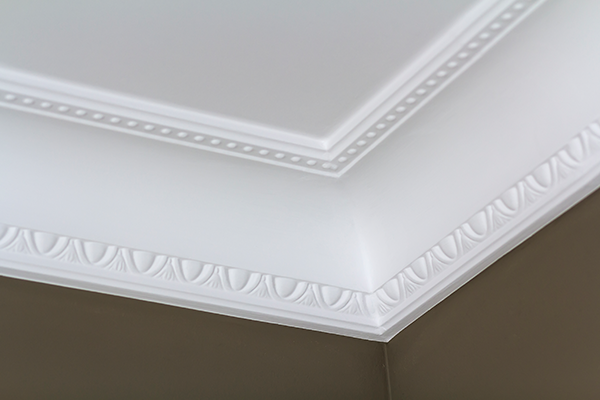
A building cornice is the projecting architectural element at the top edge of a façade, commonly found on brownstones, pre-war residential buildings, mixed-use properties, and historic commercial structures throughout New York City. Although often perceived as decorative, a cornice is frequently integrated into the building’s structural edge and water management system.
In NYC’s dense urban environment, cornices are exposed to aggressive freeze-thaw cycles, coastal humidity, wind tunnelling between high-rise buildings, and decades of environmental stress. Over time, anchors corrode, masonry joints weaken, and water infiltration accelerates deterioration. What begins as minor surface cracking can develop into displacement or falling debris, creating public safety risks along sidewalks and entrances.
Professional contractors inspect cornices with a structural and compliance mindset. The goal is to assess stability, detect hidden deterioration, evaluate anchoring systems, and determine whether conditions present safety concerns or potential regulatory exposure under New York City façade requirements.
At a Glance
- Cornices in NYC buildings serve structural and water-shedding functions, not just decorative purposes
- Environmental stress in New York accelerates masonry cracking and anchor corrosion
- Professional inspection includes visual survey, close-range assessment, anchoring review, and moisture evaluation
- Contractors look for displacement, joint failure, rust expansion, and material separation
- Falling debris from unstable cornices can trigger safety violations and liability issues
- Early detection prevents emergency repairs and expensive façade restoration
- Licensed professionals document findings for compliance and risk classification
- Routine inspections protect pedestrian safety and preserve long-term façade integrity
What Is a Building Cornice?
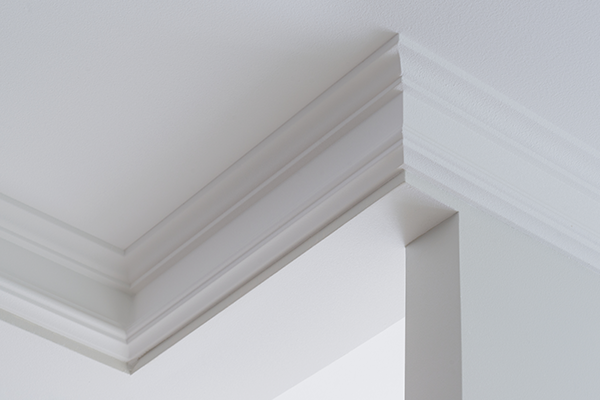
A building cornice is a horizontal projecting feature located at the top termination of a façade wall. It forms the visual and structural transition between the vertical wall surface and the roofline. In many older New York City buildings, the cornice also integrates with the parapet wall assembly.
Cornices in NYC are typically constructed using one of the following materials:
- Masonry (brick or stone with projecting courses)
- Terra cotta units
- Sheet metal systems (often galvanized steel or copper over a wood or steel frame)
In historic brownstones and pre-war buildings, masonry and terra cotta cornices are common. In late 19th and early 20th century commercial buildings, pressed metal cornices were widely used because they were lighter and easier to fabricate in decorative profiles.
Structurally, a cornice may be supported by:
- Corbelled brick projections
- Embedded steel anchors
- Cantilevered framing members
- Integrated parapet wall support
Its functional role extends beyond aesthetics. A properly constructed cornice helps shed rainwater away from the façade surface, reducing vertical water runoff and limiting direct exposure to wall joints below. In masonry assemblies, this overhang effect contributes to façade longevity when properly maintained.
Understanding the material type and support system is essential because inspection methods vary depending on whether the cornice is load-bearing masonry, anchored stone, or framed sheet metal.
Why Cornice Inspections Are Critical in NYC
New York City buildings operate under environmental and structural pressures that accelerate façade deterioration compared to many other regions. Cornices, positioned at the highest exposed edge of the façade, absorb a disproportionate amount of weather impact over time.
Seasonal freeze–thaw cycles are a primary concern. When moisture enters small surface openings and temperatures fluctuate, expansion and contraction gradually weaken joints and connections. Over decades, this process compromises stability at the roofline where cornices are anchored.
Urban wind patterns also create stress at upper façade levels. In dense corridors such as Manhattan and parts of Brooklyn, wind is channelled between buildings, increasing lateral pressure at projecting architectural elements. Combined with age-related material fatigue, this can reduce long-term reliability.
Another important factor is exposure. Cornices sit directly above sidewalks, entryways, and storefronts. Any instability at that elevation carries greater public safety implications than deterioration occurring at lower wall sections. In a city with constant pedestrian traffic, preventative evaluation becomes a responsible property management measure rather than optional upkeep.
In NYC, regular assessment of elevated façade elements helps identify developing instability before it evolves into emergency conditions. Early review supports safer buildings, more predictable maintenance planning, and reduced risk of sudden repair scenarios.
Step-by-Step: How Professional Contractors Inspect a Cornice
Professional cornice inspection follows a structured progression. Contractors move from general observation to focused structural evaluation, ensuring no elevation risk is overlooked.
Step 1: Ground-Level Visual Survey
Inspection typically begins from street level. Contractors assess alignment, visible cracking patterns, separation lines, and any irregular shadowing that may indicate displacement. Staining patterns are also observed to understand potential moisture pathways.
At this stage, the purpose is orientation — identifying visible signs that justify closer access.
Step 2: Controlled Access Examination
Once preliminary observations are made, safe access is established using appropriate means such as scaffolding or lift systems. Close-range evaluation allows contractors to assess surface condition, joint continuity, and material stability.
This phase transitions the inspection from general observation to physical condition verification.
Step 3: Stability and Connection Review
With direct access, contractors assess how the cornice is secured to the structure. They examine connection integrity, overall alignment, and signs of movement. The objective is to determine whether the projection remains securely integrated with the façade assembly.
The focus here is structural reliability rather than cosmetic condition.
Step 4: Surface Integrity Assessment
Contractors evaluate whether materials remain sound across exposed faces and underside projections. Light probing or controlled surface checks may be used to verify bonding and detect hidden weaknesses.
This helps determine whether deterioration is superficial or structural.
Step 5: Water Interaction Evaluation
Because cornices sit at the top termination of the façade, contractors assess how water interacts with the projection. They observe runoff patterns, edge conditions, and transitions between the cornice and roofline.
The goal is to understand whether water movement may be contributing to long-term instability.
Step 6: Professional Documentation
The final stage involves recording observed conditions through structured notes and photographic documentation. Contractors categorise findings based on stability and recommended next actions.
At this point, the inspection phase concludes and moves into condition analysis and decision planning.
Common Problems Found in NYC Cornices
Cornice deterioration in New York City buildings typically follows recognisable patterns. These issues develop gradually and are often linked to long-term exposure and aging structural connections.
1. Joint Separation
Over time, mortar joints or sealed seams begin to open. Even small gaps allow moisture to enter behind the projection. As internal components weaken, separation widens and structural reliability decreases.
2. Surface Cracking and Edge Fractures
Projection edges are highly exposed. Masonry and terra cotta units may develop cracking along corners and horizontal surfaces. These cracks often begin fine and expand seasonally.
3. Metal Corrosion and Fastener Deterioration
In sheet metal cornices, rust formation typically begins at seams and fastening points. Corrosion reduces material thickness and can weaken the attachment system supporting the projection.
4. Anchor Fatigue and Movement
Steel anchors embedded within older cornices can lose strength over time. This may result in slight shifting, outward lean, or uneven alignment across the façade line.
5. Inconsistent Past Repairs
Older properties sometimes contain patchwork repairs using incompatible materials. When repair materials expand or contract differently from the original assembly, stress concentrations develop within the cornice structure.
These conditions rarely appear dramatic in early stages, but they represent structural decline that should not be ignored in NYC’s dense urban environment.
Signs a Cornice Requires Immediate Professional Evaluation
Certain visible conditions indicate that a cornice should be evaluated without delay. These are not routine aging patterns but signals that stability may already be compromised.
1. Falling Debris or Loose Fragments
If pieces of masonry, metal, or decorative trim are found on sidewalks or near entrances, the cornice above should be assessed immediately. Detached fragments often indicate internal weakening beyond what is visible from below.
2. Visible Outward Lean or Sagging
A cornice that appears to tilt outward, dip along one section, or break alignment with the roofline may be experiencing structural stress. Even slight distortion at elevation level warrants prompt review.
3. Sudden Large Crack Formation
Newly formed or rapidly expanding cracks, particularly along corners or projection edges, may signal active movement within the assembly.
4. Water Penetration at Upper Façade
Persistent water staining directly below the cornice or unexpected interior moisture near the top floor can indicate failure at the roofline junction.
5. Storm or Impact Damage
After severe wind events or debris impact, elevated projections should be visually assessed. High wind pressure can compromise previously stable components.
When these warning signs appear, evaluation should not be postponed. Elevated façade elements in NYC sit directly above pedestrian zones, and delayed response increases both safety exposure and repair complexity.
Access Systems and Evaluation Tools for Cornice Inspection
Modern cornice inspections in NYC rely on specialised access systems and evaluation tools designed for elevated façade conditions. The choice of equipment depends on building height, street access, and structural layout.
1. Scaffolding and Aerial Access Systems
For mid-rise and historic properties, supported scaffolding allows controlled, close-range evaluation. On taller structures, contractors may use boom lifts or suspended access platforms where site conditions permit. Proper access ensures stability during assessment at projection level.
2. Moisture Detection Instruments
Handheld moisture meters help identify hidden water presence within masonry or behind metal assemblies. These readings support condition analysis when surface appearance alone is inconclusive.
3. Probe and Sounding Tools
Light probing instruments and sounding methods are used to assess bonding integrity. These techniques help determine whether materials remain properly adhered or if voids have developed beneath the surface.
4. Optical and Imaging Support
High-resolution photography and, in certain cases, drone imaging may assist in documenting elevated conditions before physical access is established. Imaging tools are especially useful for preliminary assessment of upper façade lines.
5. Condition Documentation Systems
Digital documentation platforms allow contractors to record elevation maps, condition notes, and photographic evidence in a structured format. Clear documentation supports accurate evaluation and future maintenance planning.
Professional inspection relies on controlled access and appropriate evaluation tools to ensure that elevated architectural elements are assessed safely and accurately.
NYC Compliance Considerations for Cornice Inspection
In New York City, elevated façade elements are regulated because they sit directly above public spaces. Cornices, as projecting architectural features, are reviewed within the city’s broader exterior wall safety framework. Property owners are legally responsible for ensuring that these elements remain secure and properly maintained.
For many multi-storey buildings, cornices are assessed as part of the city’s periodic façade evaluation program. During these required cycles, qualified professionals must examine exterior wall components, including roofline projections.
Key compliance points NYC owners should understand:
- Buildings above regulated height thresholds require periodic exterior wall inspections
- Cornices are considered part of the façade assembly during evaluation
- Unsafe conditions must be corrected within mandated timeframes
- Protective measures may be required if instability is identified
- Failure to address unsafe conditions can result in violations or penalties
Even outside a formal filing cycle, maintaining elevated façade elements in safe condition remains an ongoing legal obligation. In NYC’s high-density environment, proactive cornice assessment supports both regulatory alignment and responsible property management.
Professional Cornice Inspection vs Surface-Level Observation
Property owners may occasionally look up at their building’s roofline to check for visible cracks or misalignment. While this type of observation shows awareness, it remains limited to what can be seen from ground level.
Surface-level checks cannot assess internal anchoring systems, concealed material fatigue, or structural interaction between the cornice and the façade. Elevated architectural elements often deteriorate internally before outward signs become obvious.
A professional inspection, on the other hand, is systematic and elevation-based. It evaluates attachment stability, load distribution, and overall structural reliability rather than appearance alone.
In New York City, where cornices project above busy pedestrian areas, visual awareness is responsible — but structural confirmation requires professional assessment.
Conclusion
A building cornice may appear to be a decorative architectural detail, but in New York City it functions as an exposed structural projection positioned directly above active public space. Over time, aging materials, connection fatigue, and environmental stress can compromise stability in ways that are not always visible from the street.
Professional cornice inspection provides structured evaluation of attachment integrity, material condition, and overall structural reliability. In a dense urban setting like NYC, early assessment supports safer sidewalks, predictable maintenance planning, and responsible property ownership.
At roofline level, uncertainty is risk. Verification is protection.
FAQs
How often should a cornice be inspected in NYC?
For buildings subject to periodic exterior wall evaluation requirements, cornices are reviewed during the mandated filing cycle. For other properties, inspection frequency depends on age, exposure, and visible condition, but periodic professional assessment is advisable for older structures.
Is cornice inspection required under NYC façade regulations?
If a building falls under the city’s exterior wall inspection program, cornices are included as part of the façade review. Elevated projections are evaluated because of their potential impact on public safety.
Can a damaged cornice lead to a violation in NYC?
Yes. If a cornice is deemed unsafe or unstable during a façade review, corrective action is required. Failure to address identified conditions can result in violations or mandated protective measures.
What type of contractor inspects building cornices?
Cornice inspections are typically performed by qualified façade professionals, often working in coordination with licensed design professionals depending on building classification and filing requirements.
Do all NYC buildings have cornices that require inspection?
Not all buildings include projecting cornices, but many historic residential and commercial properties do. Any elevated architectural projection should be evaluated if deterioration or instability is suspected.
What happens if a cornice becomes structurally unstable?
If instability is identified, temporary safety measures may be required, followed by repair or restoration work to stabilise the projection. Prompt evaluation reduces the likelihood of emergency intervention.